
As we continue developing sustainable solutions for modern livestock operations, we place strong emphasis on integrating Cason expertise into practical equipment that supports reliable waste management. At the core of our approach, both animal waste fermentation equipment and the organic manure vertical fermentation tank play an essential role in creating a controlled aerobic environment that transforms livestock waste into valuable organic material. In this first section, we outline how structural design and airflow management shape overall performance without drifting from real-world needs in farms and large livestock groups.
Practical Features Supporting Daily Farm Operations
When discussing key features of modern fermentation systems, we focus on durability, smart control, and operational stability. Our animal waste fermentation equipment is engineered to maintain internal temperature balance and adequate oxygen supply, allowing microorganisms to work efficiently through each fermentation stage. To strengthen this process further, the organic manure vertical fermentation tank offers a fully enclosed chamber, helping farms minimize odor emissions while improving the consistency of the final organic output.
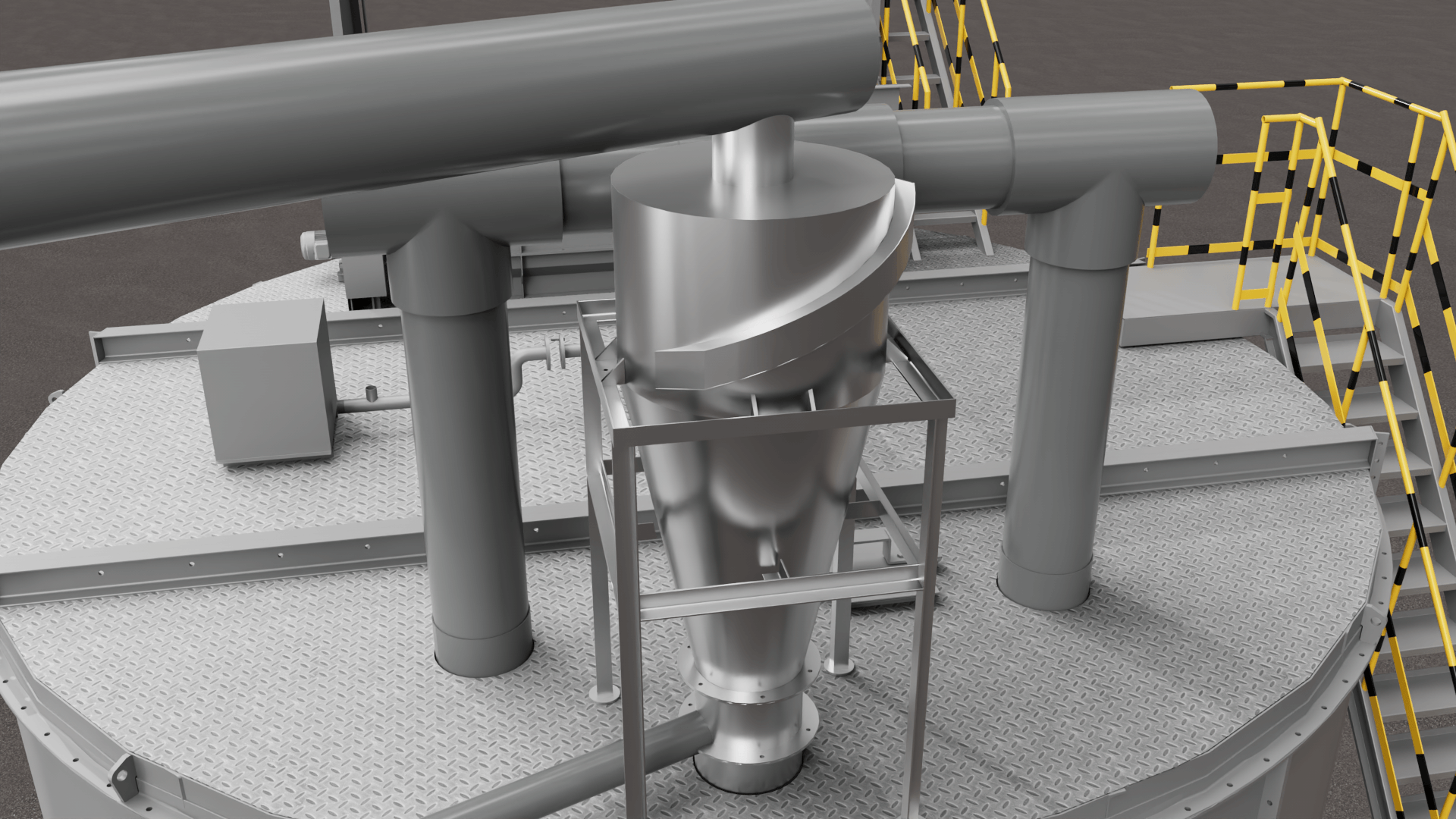
To meet industry expectations, we also introduce practical components such as the DT-240E, which integrates Cyclone Dust Removal technology. By using centrifugal force to separate dust particles, it provides strong purification performance while keeping operating costs low, thanks to its no-moving-parts design. These technologies help our system adapt to the needs of procurement teams, livestock technicians, and associations focused on farm environmental compliance.
Reliability and Long-Term Benefits
In real daily use, many customers evaluate fermentation systems not only by efficiency but also by reliability and adaptability across different waste types. Our animal waste fermentation equipment helps maintain steady operation even during high-volume stages, ensuring that the fermentation cycle remains predictable. Meanwhile, the organic manure vertical fermentation tank supports a continuous workflow that reduces manual handling, a quality recognized by many farm managers seeking to streamline labor allocation.
With the inclusion of the DT-240E dust-removal module, airflow inside the equipment becomes cleaner, which directly enhances internal hygiene and reduces system maintenance frequency. These advantages are especially important for large livestock groups where equipment uptime and steady performing cycles contribute to stable yearly planning.
Conclusion:Key Features and Benefits of Vertical Fermentation Tanks
This overview summarizes how our solutions address the essential features and long-term benefits expected in modern vertical fermentation technology. By combining structured engineering, enclosed aerobic processing, and practical enhancements such as Cyclone Dust Removal, both our animal waste fermentation equipment and organic manure vertical fermentation tank support efficient waste transformation and operational convenience. As we continue improving our system integration and service process, we remain committed to helping customers achieve cleaner, more sustainable, and more controllable farm waste management.