
As hotels and campuses face increasing pressure to manage organic waste sustainably and efficiently, selecting the right fermentation solution has become a strategic decision rather than a simple equipment purchase. Cason, a professional manufacturer of organic waste treatment solutions, offers a broad and mature product portfolio designed for large-scale catering, agricultural, and institutional applications. Among this extensive lineup, there are five representative fermentation and composting models that are particularly well suited for hotels, universities, and campus environments with high and continuous waste output.
These five options, including the widely adopted C-140E, represent different capacity levels, automation configurations, and application focuses. They allow facility managers to evaluate solutions based on daily waste volume, site layout, labor availability, and long-term sustainability objectives, rather than being limited to a single standardized approach.
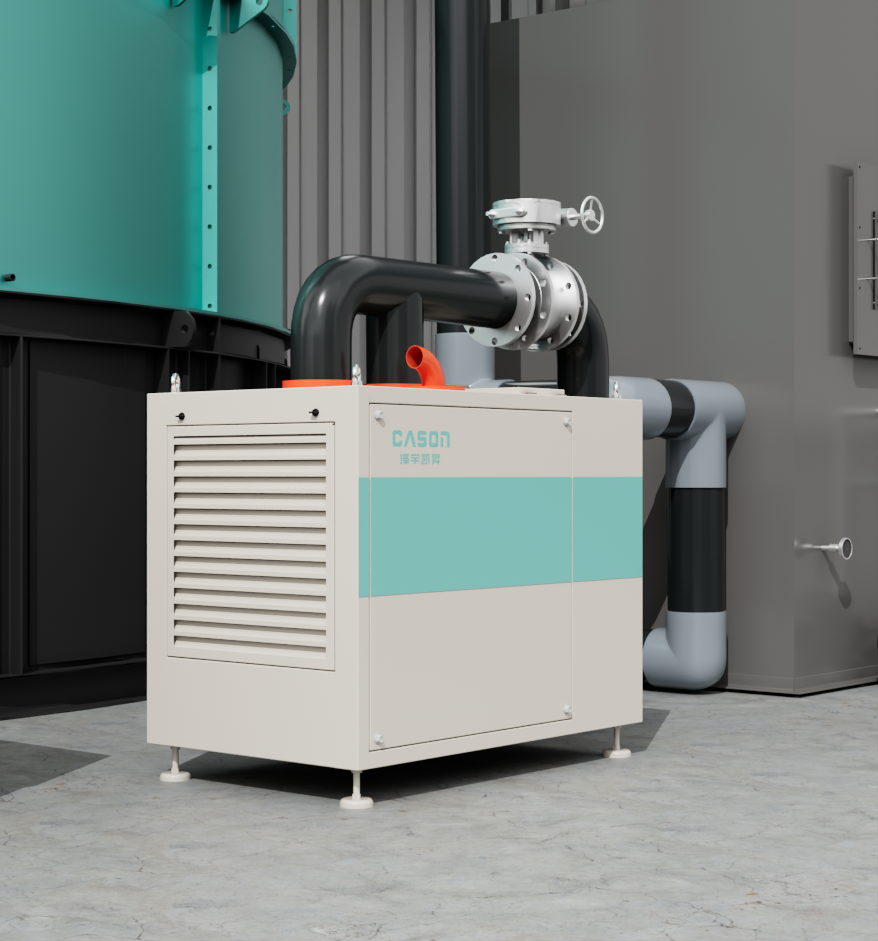
Five Representative Fermentation Options from Cason
Within Cason’s broader product range, the following five models are commonly selected for hotel, campus, and large-scale organic waste treatment projects, particularly for applications involving kitchen waste fermentation tank solutions.
The C-160E is designed for high-output applications and incorporates energy-saving technologies that support higher daily processing volumes while reducing operational load. It integrates a remote conveying solution that replaces labor-intensive vehicle transport, enabling enclosed, efficient, and economical transfer of organic fertilizer and waste materials, including kitchen waste, while reducing labor, fuel consumption, and overall operating costs.
The C-140E kitchen waste fermentation tank is positioned for medium-to-large capacity use and is one of the most widely selected models for hotels and campuses. It emphasizes high daily throughput, verified energy-saving performance, and stable long-term operation, functioning as a core fermentation unit supported by coordinated conveying, energy-saving control, and electrical management systems.
The C-120E kitchen waste fermentation tank balances efficiency and automation through remote conveying functions that enable automatic and continuous material transfer. Its energy-saving features rely on optimized energy use and intelligent operational adjustment, helping operators improve efficiency while maintaining stable fermentation conditions and hygienic operation.
The C-90E Cason organic fertilizer fermentation tank has earned strong market recognition for reliable performance and proven service results. Supported by operational data from farms in Vietnam, Malaysia, China, and other regions, it maintains stable fermentation efficiency while achieving energy savings of up to 40 percent and supports the treatment of livestock manure, animal carcasses, and kitchen waste.
The CF-1000 energy-saving organic waste composting machine reflects Cason’s intelligent composting direction. With advanced remote control and automated aerobic processing, it enables real-time monitoring and management and is well suited for facilities handling animal carcasses, poultry waste, aquatic waste, and related organic materials.
In-Depth Look: C-140E Food Waste Fermentation Tank for Hotels and Campuses
Among these five options, the C-140E food waste fermentation tank is one of the most frequently selected models for hotels and medium-to-large campuses. It is designed for large daily waste volumes and continuous operation, making it well suited for environments with multiple kitchens, dining halls, or centralized waste treatment points.
The C-140E functions as a core fermentation unit rather than a standalone control or energy system. Its enclosed tank structure helps maintain stable temperature and moisture conditions, while automated feeding and discharge mechanisms, supported by remote conveying solutions, enable continuous and efficient waste handling. Energy-saving performance is achieved through coordinated system control and validated operational data, rather than through isolated components.
For hotels and campuses, the integrated conveying solution associated with the C-140E offers practical advantages. Fully automatic and continuous transport requires minimal labor input, enclosed transfer reduces dust and odor, and the compact, flexible design allows installation across different site layouts. This combination supports reliable daily operation even during peak waste periods.
Conclusion: Choosing the Right Fermentation Option
When evaluating fermentation tanks for hotels and campuses, the key is not choosing a single machine, but selecting a solution that matches capacity needs, operational intensity, and long-term sustainability goals. Cason’s five representative options, including the proven C-140E food waste fermentation tank, provide flexible and reliable pathways for managing organic waste in high-demand environments.
By combining large-capacity fermentation equipment with integrated conveying, energy-saving functions, and professional technical support, Cason helps hotels and campuses move toward more efficient, cleaner, and sustainable kitchen waste management systems.