
The growing need for efficient and sustainable waste management has driven many industries to adopt animal waste fermentation equipment. One such solution gaining traction is the organic manure vertical fermentation tank. As a key player in this field, Cason has pioneered a solution that promises not just enhanced productivity but also impressive energy savings. However, like all technological advancements, there are both upsides and potential downsides to consider. This article takes a closer look at the benefits and challenges associated with vertical fermentation tanks.
Efficiency and Energy Savings with Cason’s Fermentation Equipment
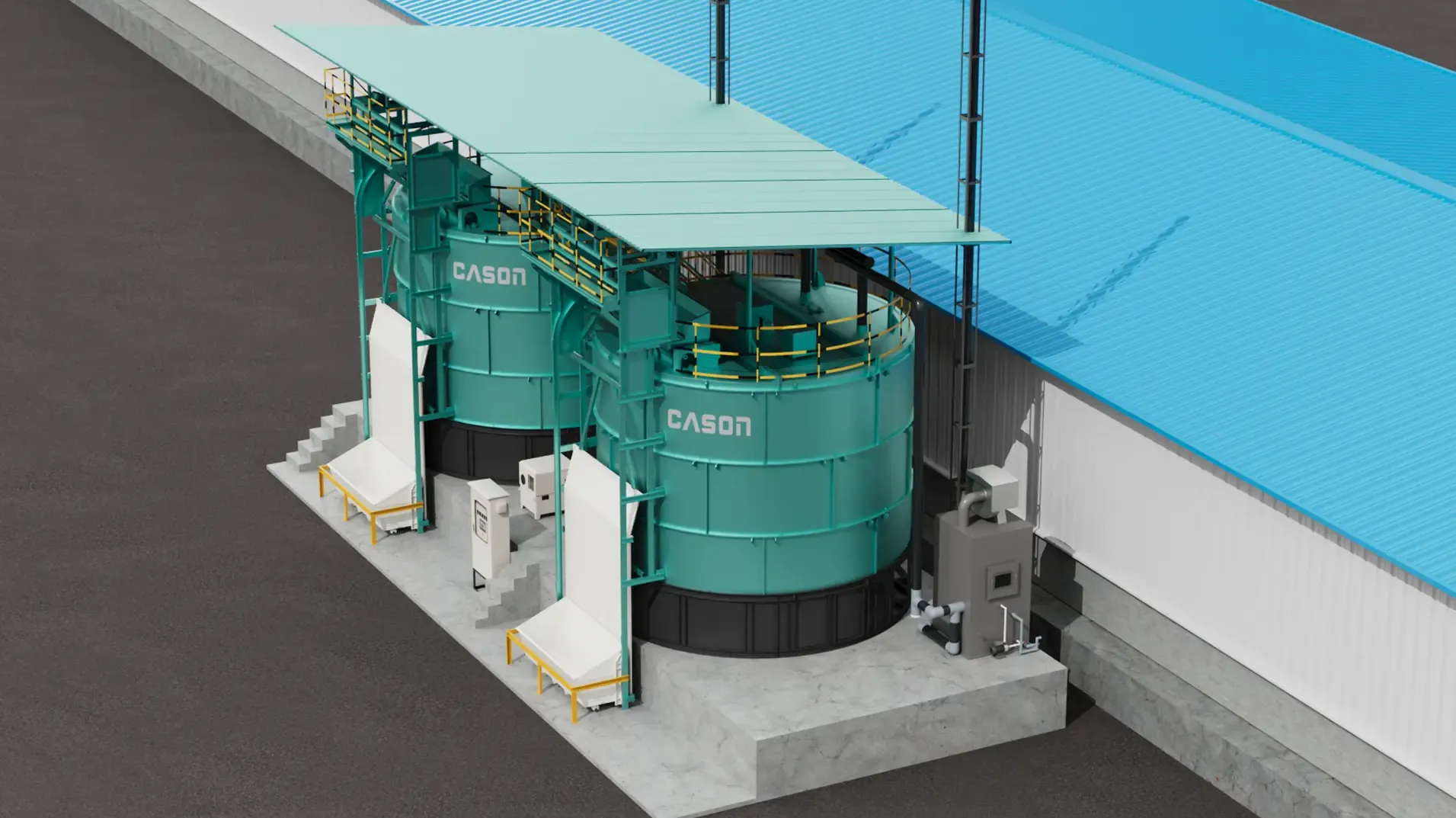
One of the standout features of Cason’s animal waste fermentation equipment is its ability to significantly reduce energy consumption. With a 40% reduction in energy usage, it sets itself apart from traditional systems. This impressive energy saving is backed by real data and technology, offering a sustainable solution to waste management. The fermentation tanks feature a high-efficiency heat exchange system that minimizes heat loss and maximizes heat recovery. The recycled heat is then used to warm incoming air, ensuring the tank’s temperature stays optimal for efficient fermentation. This energy-efficient design not only saves costs but also supports environmentally responsible practices.
Automated and Optimized Processes for Consistent Results
Another major benefit of the organic manure vertical fermentation tank is the intelligent automation it provides. Cason’s systems are equipped with smart controls that automate critical processes such as feeding, temperature regulation, and discharge. This ensures that the system consistently operates at peak efficiency with minimal human intervention. Automation plays a key role in maintaining the correct conditions for fermentation, which is crucial for the timely processing of animal waste fermentation equipment. With continuous optimization, operators can focus on other tasks, confident that the system is performing efficiently.
System Components That Improve Performance
The Cason animal waste fermentation equipment is composed of several essential systems that work together to provide a high level of reliability. These include the feeding, mixing, hydraulic, air supply, fermentation, dust removal, deodorization, and discharge systems. Each component is carefully designed to contribute to the overall energy savings and performance of the fermentation process. The integration of these systems results in reduced downtime and fewer operational interruptions, ultimately improving the reliability of the organic manure vertical fermentation tank. As a result, businesses can enjoy consistent outputs and enhanced productivity, while also minimizing the environmental footprint.
Addressing the Challenges of Vertical Fermentation Tanks
Despite the many advantages, the organic manure vertical fermentation tank is not without its challenges. For instance, the initial setup cost can be a barrier for smaller operations or businesses with limited capital. Additionally, while the automated processes reduce labor demands, some maintenance and technical expertise are still required to keep the system running smoothly. There can also be operational complexities, particularly when it comes to balancing the various components to ensure optimal performance.
A Sustainable and Energy-Efficient Solution for the Future
At Cason, we believe that animal waste fermentation equipment like the organic manure vertical fermentation tank represents a significant step forward in sustainable waste management. By offering both energy efficiency and automated processes, it provides a compelling option for businesses looking to reduce their carbon footprint while maintaining high performance. The initial costs and maintenance requirements are considerations, but the long-term benefits—ranging from cost savings to environmental impact—make it an investment worth exploring.