
When assessing the stability and reliability of organic manure production, we closely observe measurable indicators that reflect the performance of our animal waste fermentation equipment. These indicators help us confirm that each batch meets safety, nutrient balance, and environmental compliance requirements. As we work with large-scale livestock operations, we emphasize parameters such as moisture balance, temperature curves, oxygen availability, and the uniformity of organic matter breakdown. By examining these aspects, we gain a clear picture of how well the material progresses through each stage of the process. At Cason, we view these indicators not only as operational guidelines but also as tools that help farms maintain consistent quality when using organic manure fermentation tanks.
Monitoring and Maintaining Process Stability
Quality assurance requires continuous monitoring, and we focus on how each variable influences the final output. During fermentation, heat distribution, airflow, and biological activity interact closely. If one factor shifts, the others must respond in sync to maintain proper decomposition. This is why our system places great importance on maintaining predictable aeration and thermal patterns within the animal waste fermentation equipment. Over time, we have found that carefully managed oxygen flow and temperature hold the greatest influence over nutrient preservation and hygienic safety. These monitoring practices support both small and large farms as they work toward meeting practical standards using advanced organic manure fermentation tanks.
Integrating Intelligent Control for Higher Consistency
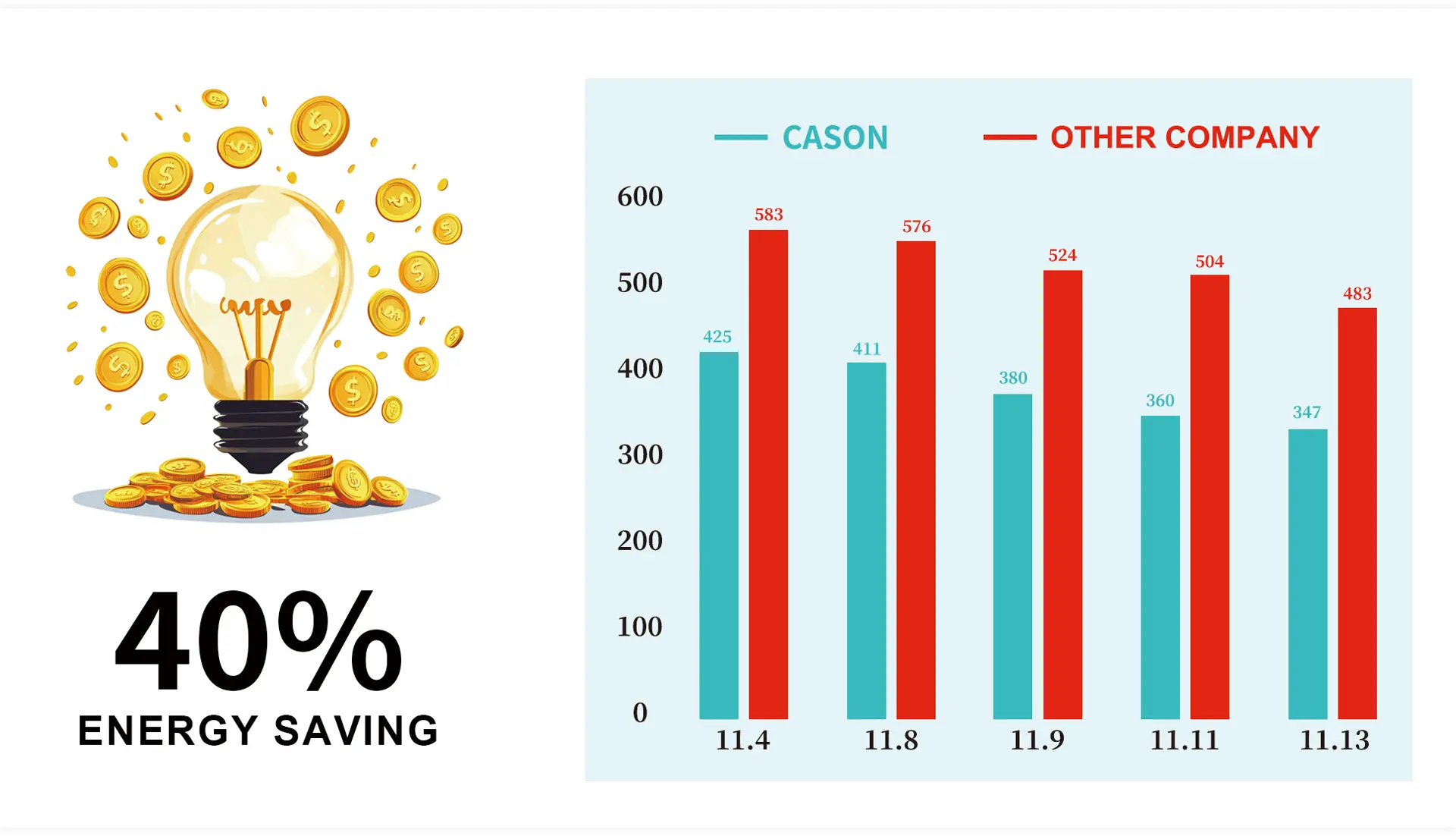
As farms scale up, manual adjustments become less practical, making automated control essential for long-term quality. When we designed our solutions, we focused on optimization that works in real production environments. For example, our DT-240E model enhances the process by reducing thermal loss and recovering heat through an efficient exchange system. Captured heat is redirected to warm incoming air, supporting stable internal conditions during fermentation. In addition, the DT-240E automates feeding, thermal regulation, and material discharge, allowing the animal waste fermentation equipment to maintain a predictable rhythm. This workflow supports energy efficiency while helping operations achieve reliable outcomes using organic manure fermentation tanks.
Conclusion: Practical Ways to Ensure High-Quality Organic Manure
Maintaining high output quality requires clear indicators and structured control. By tracking moisture, heat profiles, airflow, and material consistency, we build a dependable process that supports both environmental protection and modern livestock management. With systems such as our DT-240E, we continue refining approaches that help farms operate with confidence. Through steady monitoring and intelligent regulation, Cason provides solutions that simplify quality control while ensuring stable results across multiple batches of organic manure produced with animal waste fermentation equipment and organic manure fermentation tanks.