
When it comes to optimizing in-vessel composting operations, energy efficiency is a significant factor that influences both operating costs and environmental impact. At Cason, we understand that aeration plays an essential role in composting, supplying the oxygen microbes need to break down organic materials. Recent advancements in fan technology, particularly the integration of Permanent Magnet Synchronous Motor (PMSM) fans into in-vessel composting equipment, offer a path to reducing energy use while maintaining effective aeration.
Why Aeration Matters in In-Vessel Composting
In in-vessel composting, materials are enclosed in a controlled environment where temperature, moisture, and airflow must be carefully managed. Airflow supports aerobic decomposition by delivering oxygen and removing excess heat and gases. Insufficient aeration slows down microbial activity, while over-aeration wastes energy and can dry out materials too quickly. Balancing these factors is essential for efficient composting cycles and overall system performance.
Traditionally, composting systems have relied on standard fan motors to move air through vessels. While functional, these motors can consume a substantial amount of electricity. As energy prices continue to rise and sustainability becomes a priority for many operations, the need for more efficient aeration solutions becomes clear.
How PMSM Fans Improve Efficiency
PMSM fans represent a more efficient approach to aeration in in-vessel composting equipment. These motors are designed with permanent magnets that reduce electrical losses and improve torque performance. As a result, PMSM fans can operate at optimal speeds with less energy input compared to conventional motors.
One noticeable advantage of PMSM fans is their ability to maintain consistent airflow with greater precision. This allows composting systems to respond dynamically to changing conditions inside the vessel, adjusting airflow as needed to support microbial activity without expending unnecessary energy. The improved airflow control helps maintain stable temperatures and oxygen levels, which are key factors in compost quality and processing time.
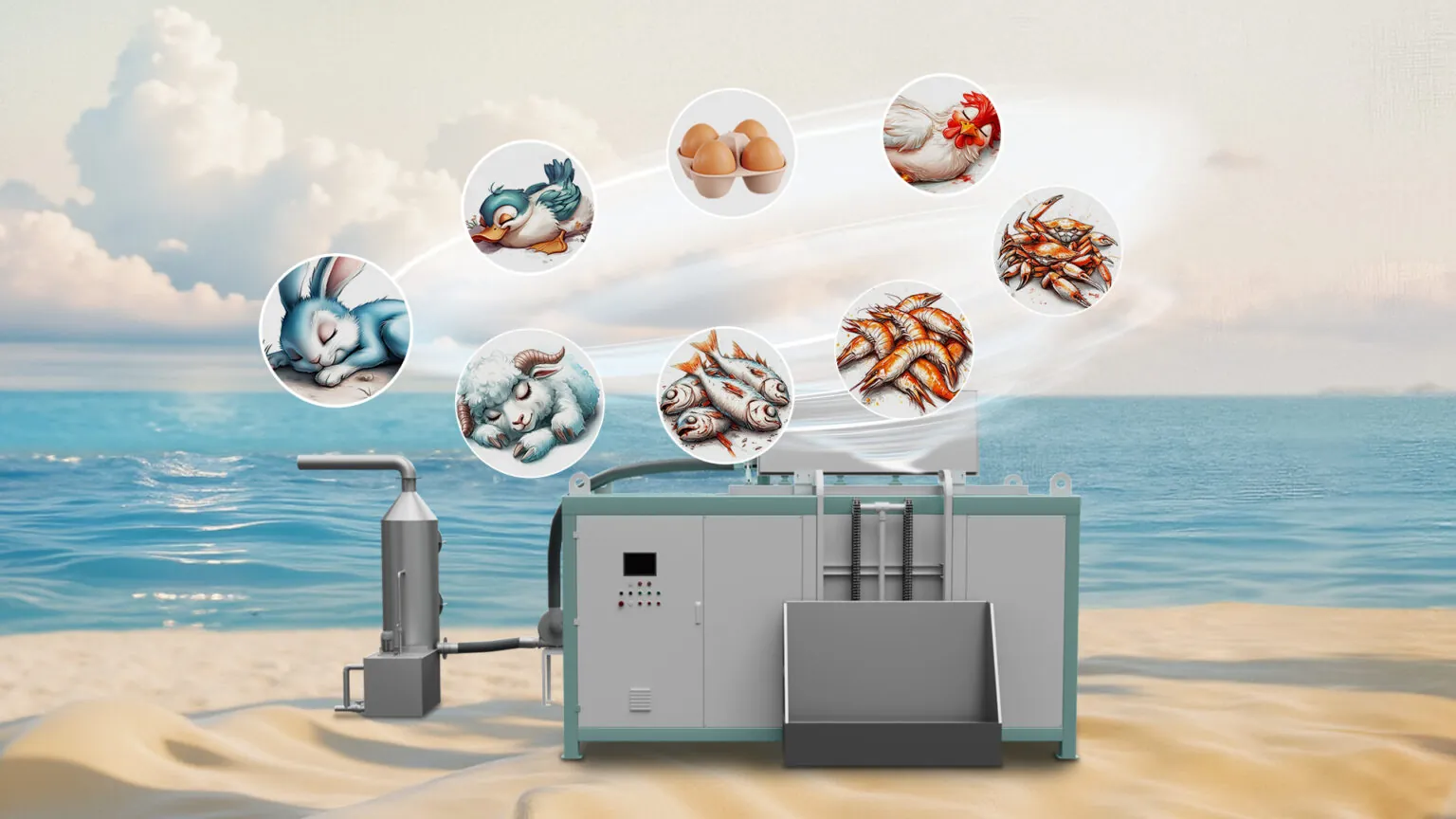
Reducing energy consumption doesn’t just lower utility bills. For businesses that manage large volumes of organic waste, even small gains in efficiency can translate into meaningful cost savings over time. With PMSM fans integrated into systems like the Cason DT-320E in-vessel composting equipment, operators can realize these efficiencies while ensuring reliable performance.
Practical Benefits for Composting Operations
Using energy-efficient fans can simplify the management of aeration schedules and reduce the frequency of manual adjustments. This allows staff to allocate time to other operational priorities, such as feedstock preparation and quality control. Over time, the energy savings achieved through PMSM fans contribute to a more predictable cost structure for composting facilities.
At Cason, we believe that thoughtful design choices in equipment can support both performance and sustainability goals. When aeration is managed intelligently through efficient fan technology, businesses can achieve a balance that enhances the composting process while containing energy costs.
For facilities exploring in-vessel composting, considering energy efficiency in equipment selection can make a meaningful difference in long-term operational outcomes. Energy savings and effective compost production can go hand in hand when the right technologies are applied thoughtfully.