
At the start of any cost discussion for animal waste fermentation equipment, buyers often focus on the balance between energy demand and long-term maintenance expectations. From our experience at Cason, the overall price of a fermentation tank is shaped not only by the initial manufacturing complexity but also by the systems required to support stable aerobic treatment. Energy consumption depends on heating performance, aeration efficiency, and insulation design, all of which influence daily operating costs. When customers assess pricing, they commonly compare the power usage of different configurations to determine how the tank will perform under varying seasonal conditions. This price-related thinking encourages a more rational evaluation of investment value rather than looking at tank size alone.
How Energy Efficiency Shapes Operational Budgets
Many buyers of organic manure fermentation tanks now evaluate long-term energy trends before making final procurement decisions. For our company, the design approach emphasizes internal airflow balance and effective temperature control to maintain stable fermentation while avoiding unnecessary power consumption. By optimizing aeration and mixing intervals, the system conserves energy while keeping biological activity steady. This approach is especially relevant for procurement teams in large farming groups who frequently compare operating budgets across multiple facilities. When energy efficiency aligns well with processing volume, the investment becomes easier to justify because the tank generates predictable performance without driving up utility expenses.
Maintenance Costs and System Structure
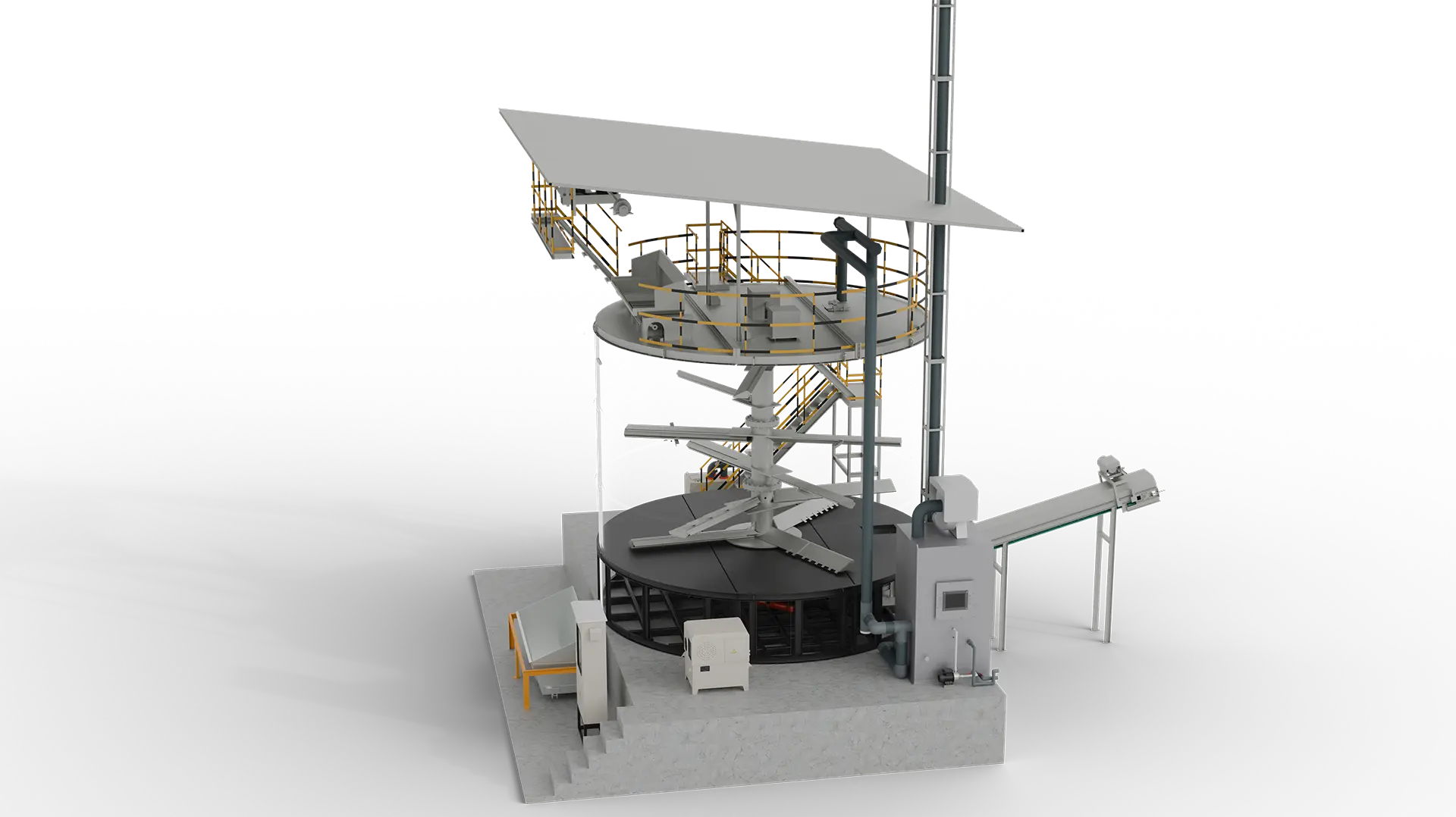
The maintenance cost of animal waste fermentation equipment is another decisive factor in the final price discussion. As our customers look deeper into equipment structure, they often realize that maintenance frequency is determined by component quality and system integration. For example, our DT-240E configuration includes a Feeding System, Mixing System, Hydraulic System, Air Supply System, Fermentation System, Dust Removal System, Deodorization System, Discharge System, and Heating System. When each module works cohesively, maintenance becomes straightforward and downtime remains minimal. This has been particularly valued by technical supervisors and farming associations who seek predictable solutions for long-term solid-waste management across their facilities.
Conclusion:Balanced Pricing Through Energy and Maintenance Insights
A practical analysis of organic manure fermentation tanks must consider both energy usage and maintenance sustainability to understand the real cost of ownership. At Cason, we have seen how customers benefit from evaluating these two elements together rather than relying solely on upfront pricing. When the system maintains energy stability and minimizes component wear, operational planning becomes easier for purchasing managers and large livestock groups. This balanced evaluation—covering design efficiency, structural durability, and service support—provides a clearer path toward selecting a fermentation tank that matches long-term expectations and daily farm operations.