
Large kitchens in hotels, restaurants, institutions, and food processing facilities often generate significant volumes of organic waste every day. Managing this waste responsibly is both a regulatory requirement and a business opportunity. Choosing the right commercial compost machine can help reduce disposal costs, improve sustainability performance, and turn food waste into usable compost. A commercial food waste composting machine designed for high volume can make organic recycling more efficient and help facilities handle their waste stream with greater control.
Why Commercial Compost Machines Matter for Large Kitchens
Large kitchens produce fruit peels, vegetable scraps, meal leftovers, and other organic waste that can quickly accumulate if not managed properly. Sending this material to landfills adds disposal expenses and contributes to greenhouse gas emissions. By adopting an on-site composting solution, facilities can transform food waste into nutrient-rich material that supports landscaping, gardening, or local agriculture projects. A robust composting system also helps kitchens meet environmental compliance regulations and corporate sustainability goals.
A quality commercial food waste composting machine is built to process high daily throughputs and maintain stable composting conditions. It continuously monitors factors like temperature and moisture, ensuring the waste breaks down efficiently. Machines crafted for commercial use withstand rigorous daily cycles and operate reliably even under heavy loads. The right equipment helps reduce manual effort and prevents odors or pest issues that can arise from unmanaged waste.
What to Look for in a Commercial Food Waste Composting Machine Factory
When choosing where to source your composting equipment, facility managers should evaluate several factors. A reliable factory produces machines with strong build quality and components designed for long service life. Look for suppliers that provide detailed technical documentation, transparent performance specifications, and clear service support options.
Manufacturers that specialize in organic waste solutions are more likely to offer equipment suited to diverse operating environments and waste profiles. In high-volume kitchens, customizable system configurations can help align the machine with specific waste types and processing capacities. Good factories also offer installation guidance and ongoing technical assistance to ensure smooth integration into existing workflows.
Key Features for Large-Scale Kitchen Composting
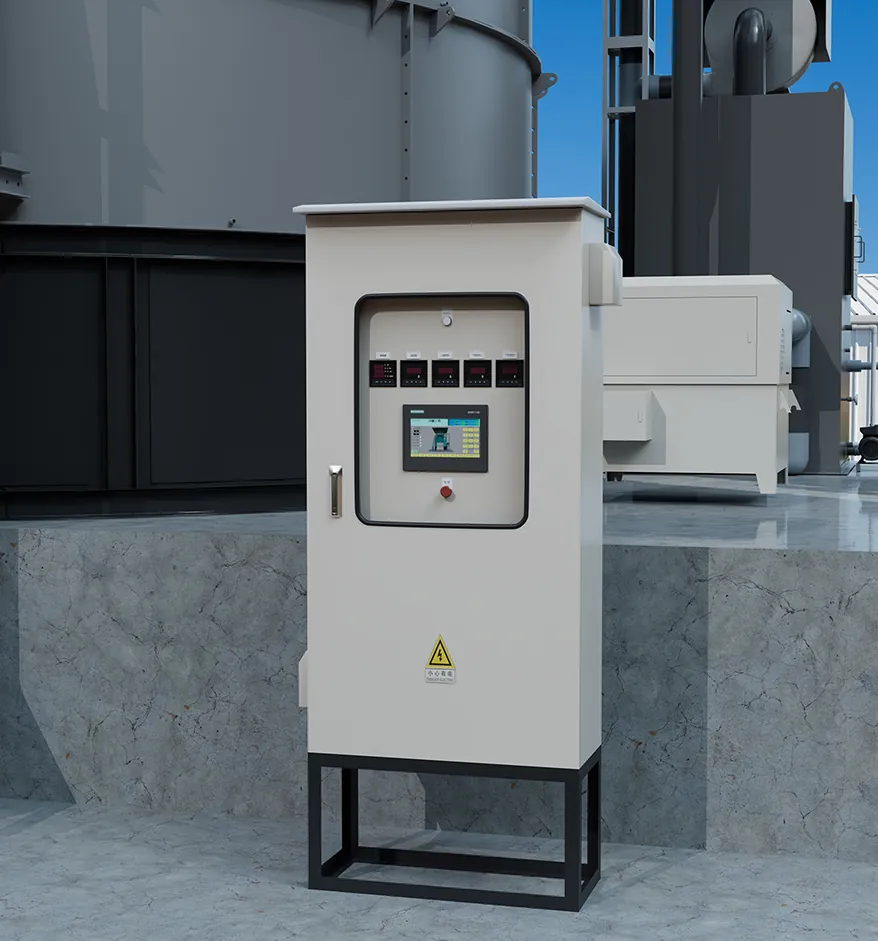
Commercial settings benefit from automation and intelligent control systems that reduce the need for constant supervision. Machines equipped with user-friendly control panels allow staff to monitor composting progress, adjust settings, and receive alerts when attention is needed. Advanced ventilation and aeration systems support faster breakdown of organic material while minimizing odors.
Durable construction and ease of maintenance are crucial for machines used daily in demanding environments. Components that can be cleaned easily and designed for quick access help reduce downtime and labor costs.
Choosing the Right Solution
For large kitchens seeking dependable performance, a model like the Cason C-160E commercial food waste composting machine offers capacity and efficiency tailored to industrial kitchens and institutions. This system provides stable processing, automated controls, and construction suited to high-volume operations. Investing in the right composting solution can improve waste management, support sustainability goals, and deliver measurable benefits over time.