
Managing food waste efficiently has become essential for sustainable livestock operations. At Cason, we understand the challenges that large-scale farms face in converting organic waste into valuable resources. Our food waste fermentation tank systems provide an effective and environmentally conscious approach to handle farm residues, while integrating seamlessly with additional equipment such as our food waste fertilizer machine. By offering both reliable performance and operational safety, we help our clients achieve a closed-loop waste management system that supports long-term sustainability.
Comparing Processing Alternatives
Farm operators often evaluate multiple methods for food waste treatment, from traditional composting piles to mechanical dryers. While conventional methods may seem cost-effective initially, they frequently require significant labor and space, and odor management is a persistent challenge. In contrast, our food waste fermentation tank solutions provide controlled conditions that accelerate decomposition while minimizing environmental impact. When paired with the food waste fertilizer machine, these systems efficiently transform organic residues into usable fertilizers, enhancing soil quality without the need for harmful chemicals. This combination ensures both operational efficiency and compliance with modern environmental standards.
Innovative Features and Integration
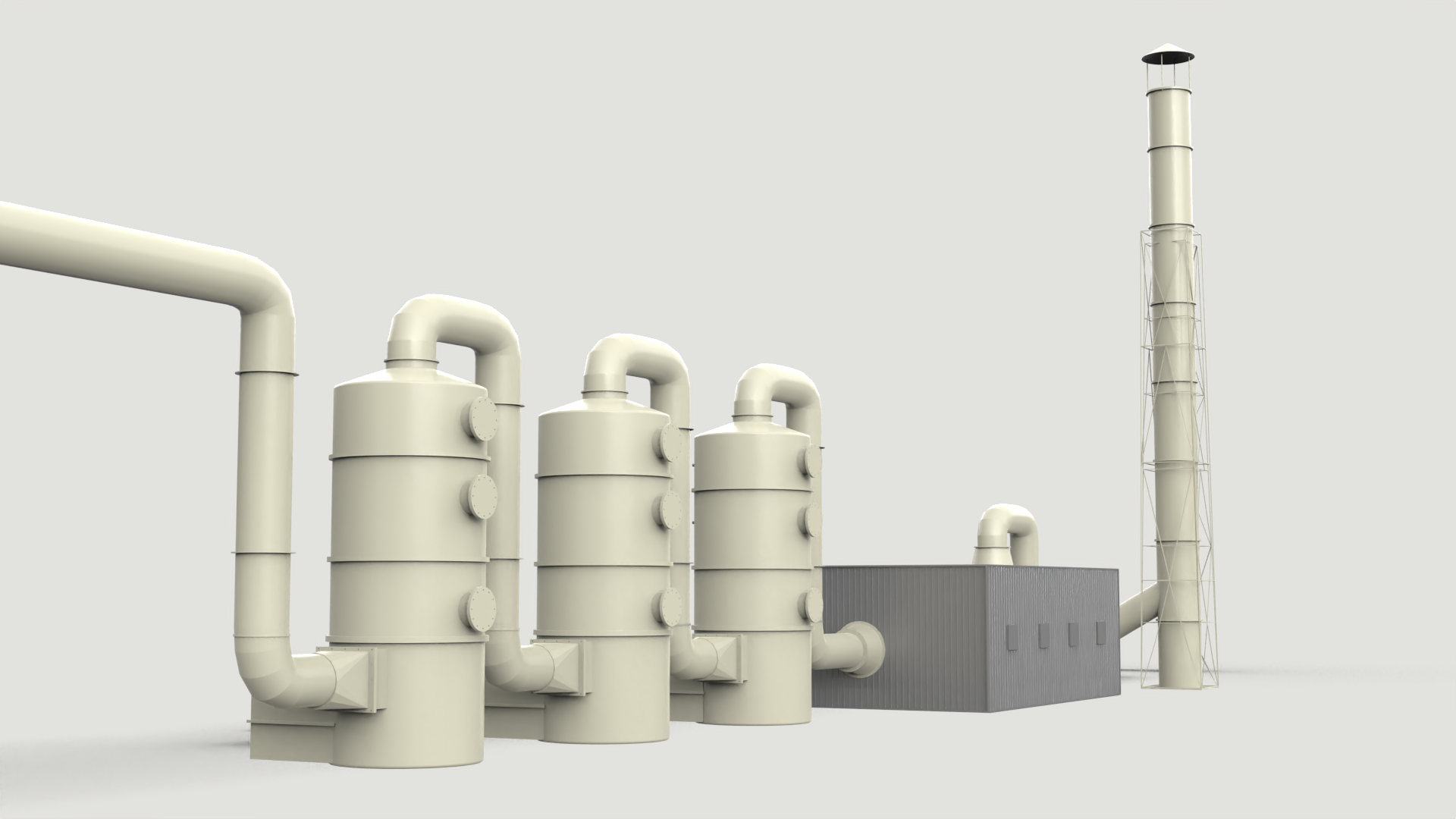
We design our systems with practical farm needs in mind, ensuring that every component supports efficient and safe organic waste processing. The C-140E food waste fermentation tank serves as the core unit, while integrated auxiliary systems—including enclosed conveying mechanisms, energy management modules, and control systems—assist its operation to maintain optimal fermentation conditions. These integrated systems also support centralized deodorization by collecting odors from multiple tanks and treating them through a series of processes that meet regulatory standards before safe release, helping farms maintain a clean and odor-free environment. In addition, the modular design of our food waste fertilizer machine allows seamless connection with existing equipment, creating a fully automated waste processing workflow that ensures consistent output and reduces the risk of operational disruptions.
Operational Advantages
At Cason, we emphasize reliability and ease of use. Our systems are supported by comprehensive installation, maintenance, and technical guidance, helping farm managers optimize waste handling with minimal downtime. With sufficient production capacity and modern manufacturing facilities, we can meet the needs of large livestock operations while maintaining product quality. Our team’s proactive follow-up services ensure that any operational concerns are addressed promptly, fostering stronger relationships with our clients and supporting efficient farm management practices.
Conclusion: Sustainable Solutions for Food Waste Management
Cason provides a practical and environmentally responsible approach to food waste treatment. By combining our food waste fermentation tank with a food waste fertilizer machine and integrated supporting systems—including conveying, energy-saving, and centralized deodorization modules—our solution provides a fully automated, odor-controlled, and efficient waste management process, with all auxiliary systems working together to support the operation of the C-140E fermentation tank. These integrated systems allow farms to convert organic residues into valuable fertilizers efficiently while meeting environmental standards. Our commitment to innovation, quality, and client support ensures that farm operators can achieve sustainable operations with confidence, making food waste processing both practical and productive.