
When we begin evaluating a manufacturer for a food waste fermentation tank, we look first at the core capabilities behind their engineering and production. A dependable supplier should demonstrate long-term commitment to environmental equipment development, stable workshop capacity, and proven project performance. At Cason, we build our approach around these expectations by combining practical experience with continuous technical refinement. As the industry shifts toward efficient resource utilization, a food waste organic fertilizer fermentation tank must support steady aeration, controlled temperatures, and reliable material handling. Understanding these basic process needs helps us identify which manufacturers can truly deliver systems that align with modern organic fertilizer production.
Key Factors to Assess During Supplier Selection
When we assist clients in choosing a Chinese manufacturer, we encourage them to review the supplier’s service depth, installation experience, and the ability to provide interconnected equipment. Our company places strong emphasis on consistent communication before, during, and after installation because this ensures stable project progress. For example, our engineering team has often been recognized on-site for clear coordination and standardized installation practices. A reliable manufacturer of a food waste fermentation tank should also demonstrate real experience in system integration. This is why we have extended our development beyond fermentation tanks to include sludge drying units and harmless-treatment equipment, forming a functional chain for large-scale operations. These capabilities matter greatly when selecting a food waste organic fertilizer fermentation tank, especially for farms or livestock groups seeking predictable daily output and long-term stability.
Product Insights That Reflect the Manufacturer’s Competence
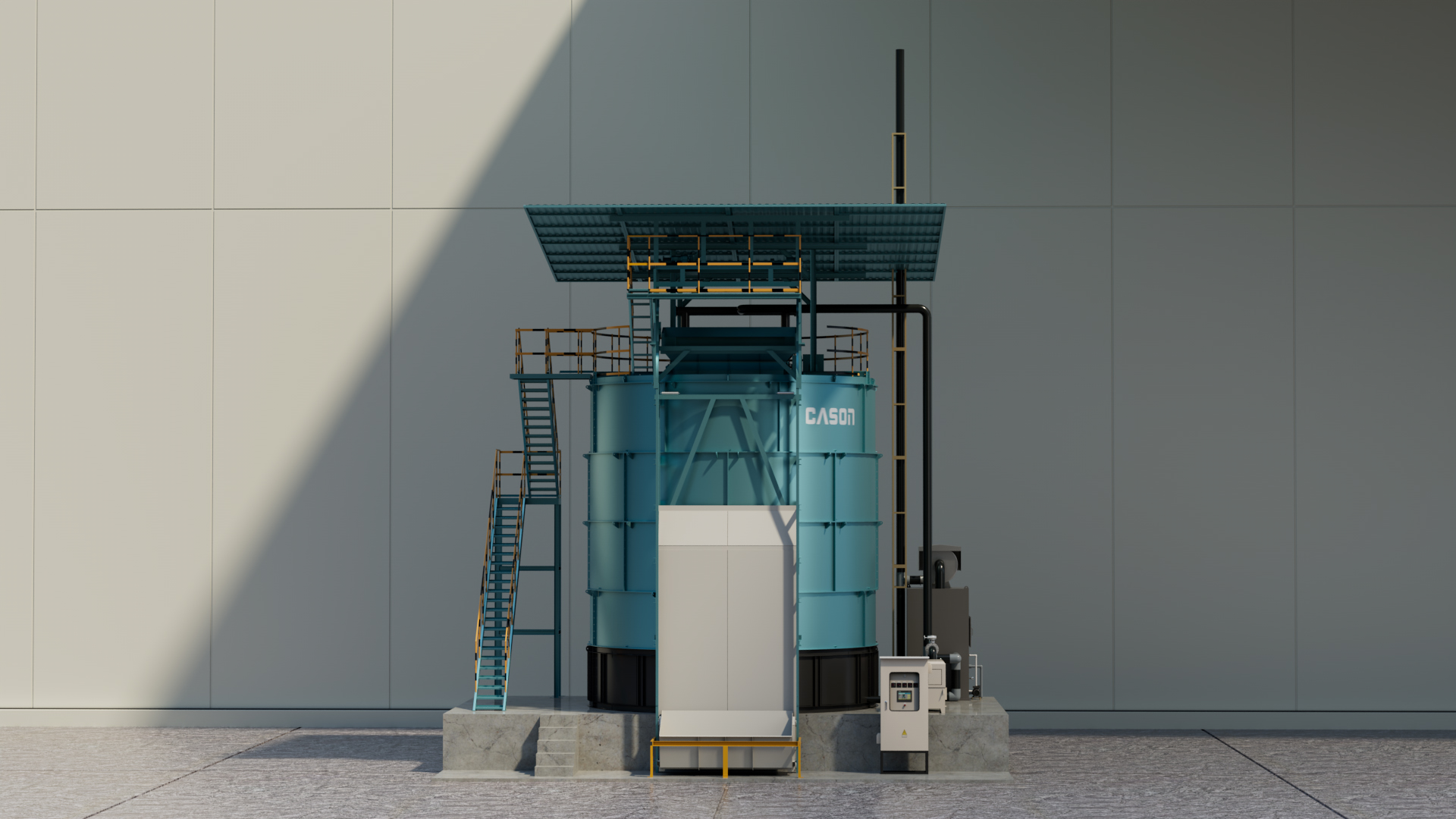
Evaluating the manufacturer’s products themselves also helps clarify reliability. A model such as our C-140E illustrates this through its larger capacity and higher daily processing output, characteristics valued by agricultural groups looking to manage food waste efficiently. We focus on practical energy-saving performance, and over time we have gathered operating data to verify these results. This allows our clients to understand how a food waste fermentation tank performs under real conditions rather than theoretical assumptions. For customers preparing to produce organic fertilizer, the structure and airflow design of a food waste organic fertilizer fermentation tank should support stable heating cycles and controlled microbial activity. These features influence both operating cost and fertilizer consistency, making them key factors when judging a manufacturer’s competence.
Conclusion: Choosing a Supplier with Proven Capabilities
Selecting a dependable Chinese supplier for a food waste fermentation tank requires more than comparing equipment lists. It involves assessing service quality, installation experience, technical adaptability, and consistent production capacity. As we continue refining our systems, including solutions built around the food waste organic fertilizer fermentation tank, we remain focused on offering clear communication, practical engineering, and equipment designed for sustainable organic fertilizer production. These elements form a reliable framework for clients seeking long-term value from a Chinese manufacturer.