
Fermenting high-moisture food waste presents unique challenges that can affect efficiency and output quality. At Cason, we have observed that improper management of moisture content, temperature, and aeration often leads to extended fermentation cycles or uneven product quality. Utilizing a food waste fermentation tank designed for precision control allows operators to address these issues proactively. Our team emphasizes integrating reliable equipment and intelligent control systems to maintain consistent conditions throughout the fermentation process.
Understanding Moisture and Aeration Balance
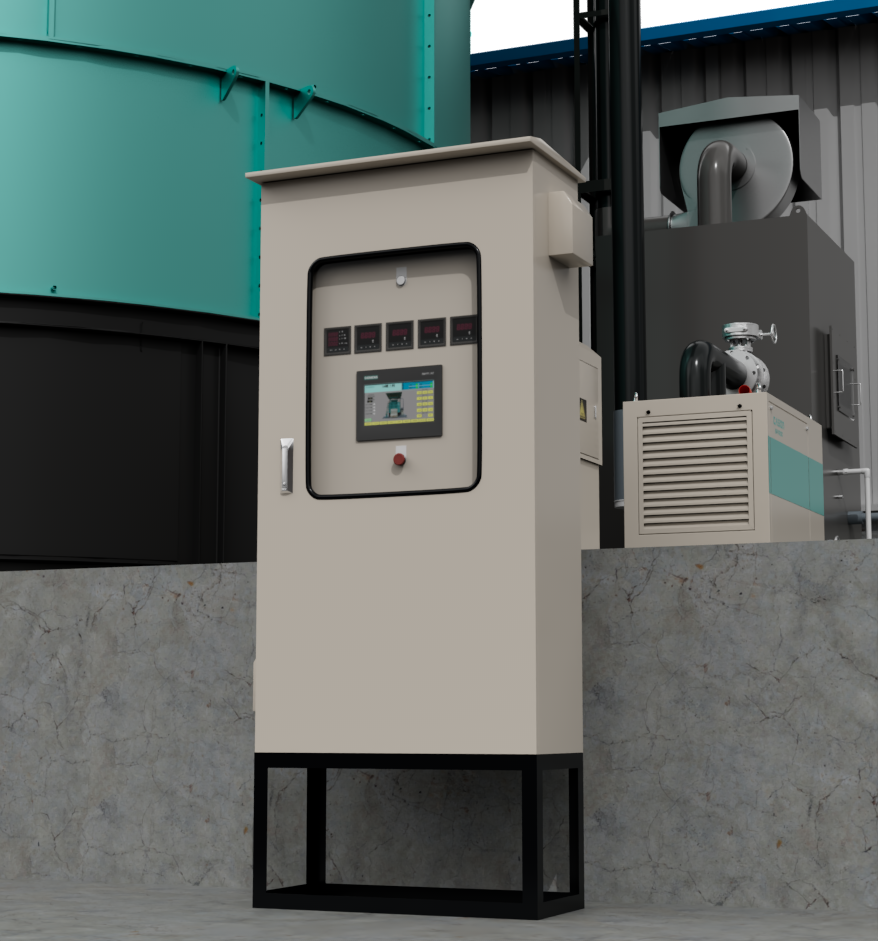
One common issue in high-moisture food waste fermentation is improper moisture control. Excess water can slow down microbial activity and lead to malodors, while insufficient moisture may inhibit fermentation entirely. The C-140E food waste organic fertilizer fermentation tank operates as the core unit, supported by integrated auxiliary systems such as conveying, energy-saving, and environmental monitoring systems, enabling accurate monitoring and control of moisture and oxygen levels. The intelligent system allows real-time adjustments, maintaining optimal aerobic conditions. With this approach, we have helped clients achieve more uniform decomposition while preventing common pitfalls such as uneven heating or prolonged processing cycles.
Temperature Control and Fermentation Efficiency
Temperature is a critical factor in achieving high-quality fermentation outcomes. Inadequate temperature regulation can reduce microbial efficiency and extend the time required for organic waste conversion. Our C-140E food waste fermentation tank integrates multiple auxiliary systems, including constant-temperature control, intelligent monitoring, conveying, and energy-saving modules, to ensure stable and efficient fermentation performance. By centralizing equipment operation, our system shortens the fermentation cycle while improving processing reliability. The automated system also supports remote management, allowing farm managers to oversee operations without being on-site, thereby enhancing overall efficiency.
Integrating a Seamless Waste Treatment Process
Effective integration of equipment and process steps is vital for large-scale waste management. At Cason, our solution not only focuses on single-device optimization but also ensures seamless interaction between high-moisture waste treatment equipment and downstream organic fertilizer production. The food waste organic fertilizer fermentation tank plays a key role in converting raw waste into nutrient-rich fertilizer, maintaining a closed-loop process for sustainable farm operations. With adequate training and system support, our clients consistently experience smoother operation and predictable outcomes.
Conclusion: Optimizing Fermentation for Consistent Results
Managing high-moisture food waste fermentation requires careful attention to moisture, aeration, and temperature. With Cason’s advanced equipment, centered around the C-140E fermentation tank and supported by integrated conveying, energy-saving, and electrical control systems, operators can maintain stable fermentation conditions and achieve consistent organic fertilizer quality. Proper system integration and intelligent monitoring reduce common errors, shorten processing cycles, and enhance overall efficiency. By following these practices, farms can maximize the benefits of organic waste treatment while minimizing operational challenges.