
Proper calibration of moisture content is vital for the efficiency of automated organic waste composting (OWC) processes. Mistakes in this step can jeopardize the composting process, leading to suboptimal results and unnecessary costs. This article highlights common errors encountered during moisture calibration and provides insights for enhancing your composting operations.
Understanding the Importance of Accurate Moisture Calibration
Accurate moisture calibration is crucial when operating an organic waste composting machine. The right moisture levels directly impact microbial activity and the overall composting process. When moisture content is too high, anaerobic conditions can occur, resulting in unpleasant odors and reduced compost quality. Conversely, inadequate moisture inhibits microbial growth, slowing down decomposition and potentially leading to incomplete composting.
Operators of automatic organic waste composting machines must carefully monitor and calibrate moisture levels to maintain optimum conditions. Failure to do so not only hampers the compost quality but also undermines the machine’s efficiency. Regular calibration checks with appropriate tools are essential for achieving the desired balance in moisture levels.
Common Mistakes in Calibration Techniques
Several mistakes can occur during the moisture calibration process. One frequent error is relying solely on visual assessment rather than using precise measurement instruments. While experience can inform expectations about moisture levels, an automatic organic waste composting machine requires objective data for accuracy. Using moisture meters or other calibrated measuring devices helps prevent subjective errors.
Another common issue is neglecting to account for varying moisture levels in different types of organic waste. Poultry and livestock waste, for instance, have distinct moisture contents. Thus, operators should tailor their calibration strategies based on the specific organic materials being processed. Ignoring these variations may lead to inconsistent quality and performance issues in the composting process.
Finally, failing to establish a routine calibration schedule can lead to drift in moisture levels over time. Regular maintenance and recalibration are necessary to ensure consistent operation and optimal composting results.
Enhancing Your Composting Operations with Cason
Addressing these common pitfalls in moisture calibration can significantly improve the efficiency of your automated organic waste composting system. Operators should prioritize precise measurements, adapt techniques for different waste types, and implement routine calibration checks.
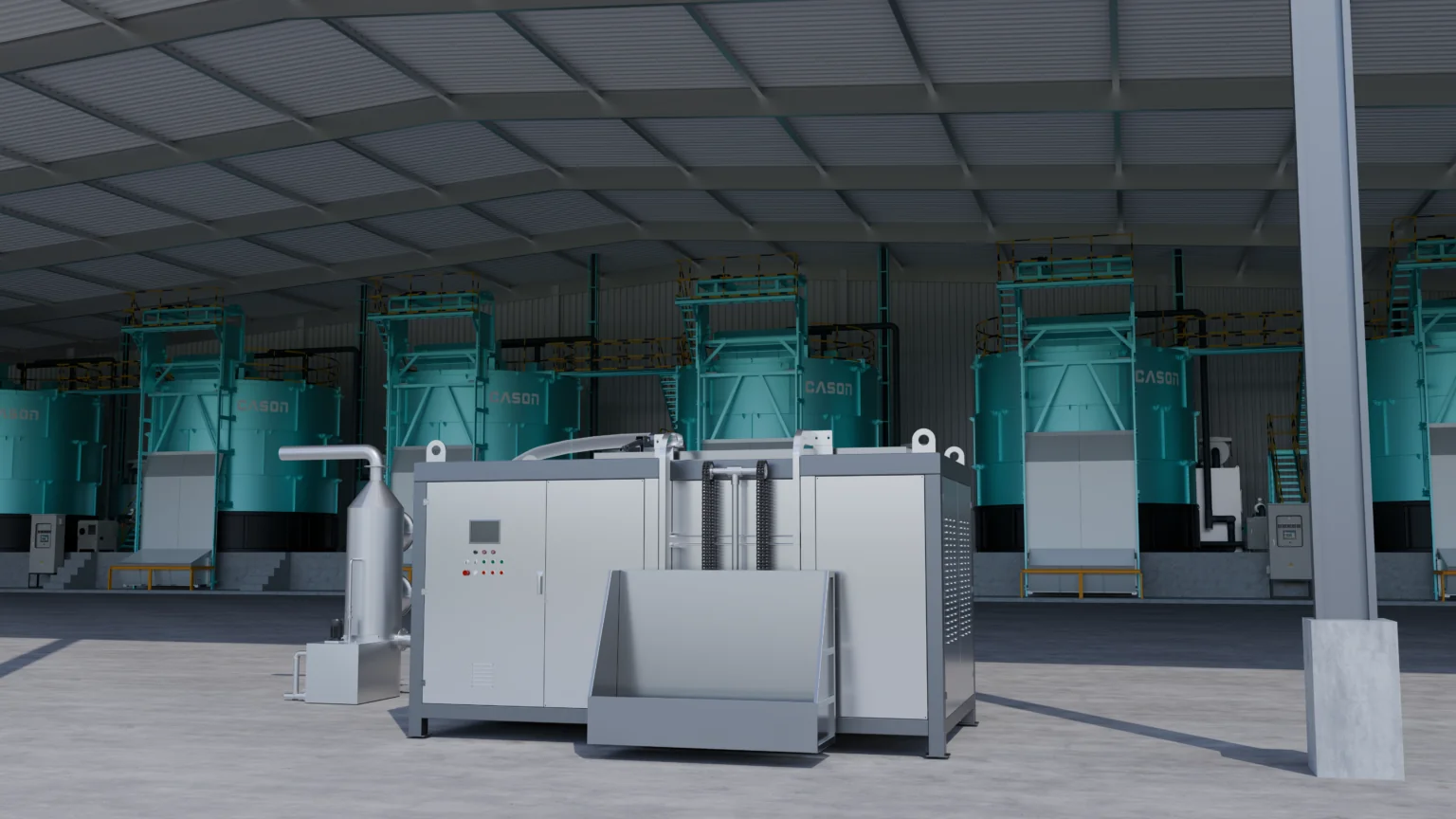
At Cason, we provide advanced organic waste composting machines designed for operational efficiency and sustainability. Our CF-1000 Poultry and Livestock High-Temperature Harmless Treatment System exemplifies our commitment to innovative, effective solutions. By utilizing our automatic organic waste composting machine, customers can transform organic waste into nutrient-rich compost, reducing methane emissions while enhancing soil fertility.
Choosing Cason means embracing environmentally responsible practices that contribute to a healthier planet. Together, we can support a zero-waste future through effective waste management and high-quality compost production.