
Effective pathogen removal is a crucial aspect of organic waste management and fertilizer production that influences product safety and efficacy. The utilization of a high-temperature aerobic organic fertilizer fermentation tank has emerged as a sustainable solution, transforming organic materials into high-quality fertilizers while significantly reducing harmful microorganisms. This article delves into the benefits of employing high-temperature aerobic fermentation processes and the role our C-90E organic fertilizer fermentation tank plays in enhancing this method.
The Science Behind High-Temperature Aerobic Fermentation
High-temperature aerobic fermentation involves the breakdown of organic matter by microorganisms in the presence of oxygen, under elevated temperatures that can exceed 55 degrees Celsius. This process not only accelerates the decomposition of organic materials but also aids in the effective elimination of pathogens. In a high temperature aerobic organic fertilizer fermentation tank, the conditions foster a robust microbial community capable of thriving at these temperatures, ensuring a rapid and comprehensive fermentation process.
The key advantage of this method lies in its ability to sanitize organic waste effectively. The elevated temperatures disrupt the cellular structures of pathogens, leading to their eradication. By leveraging the C-90E organic fertilizer fermentation tank, businesses can harness these benefits while ensuring consistent fermentation and improved feeding efficiency, thereby enhancing overall productivity.
Benefits of Implementing Our C-90E Fermentation Tank
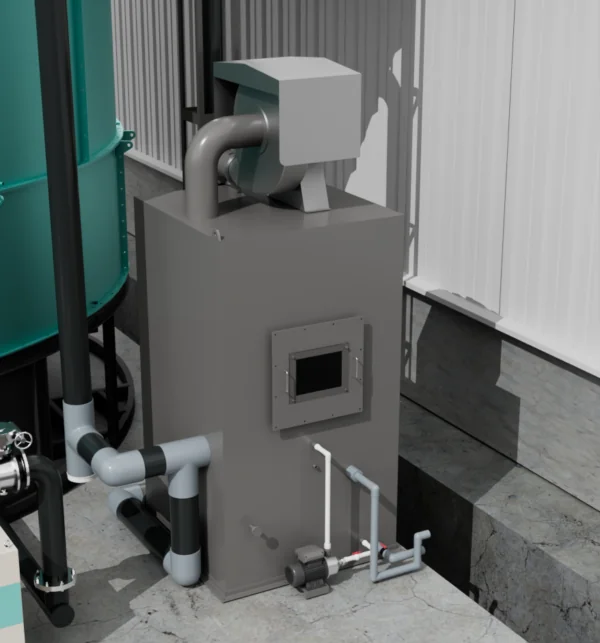
The C-90E organic fertilizer fermentation tank stands out due to its safe and hygienic operational framework. This innovation not only guarantees pathogen removal but also reduces potential risks associated with handling organic waste. The design of the tank incorporates advanced technology that contributes to consistent fermentation and high adaptability, allowing it to meet the diverse needs of various organic materials.
Moreover, the introduction of a remote conveying system complements the efficiency of the high-temperature aerobic organic fertilizer fermentation tank. By employing automated conveying methods, businesses can significantly reduce manual handling, leading to decreased operational costs and enhanced labor efficiency. The flexibility of remote conveying easily adapts to different spatial layouts, optimizing space utilization within facilities.
Driving Innovation in Organic Fertilizer Production
As we navigate the evolving landscape of organic waste management, the significance of pathogen elimination cannot be overstated. Investing in efficient technologies like the C-90E organic fertilizer fermentation tank not only ensures effective organic fertilizer production but also promotes safety and reliability for end users. At Cason, we are committed to delivering state-of-the-art fermentation solutions that empower businesses to excel in sustainability and efficiency. By embracing our high-temperature aerobic fermentation technology, you can optimize your operations and contribute positively to environmental stewardship.
In summary, the implementation of high-temperature aerobic fermentation not only mitigates pathogen risks but also enhances the overall quality and safety of organic fertilizers. Cason is here to support your journey towards improved organic waste management and responsible fertilizer production.