
Fermentation is a vital process in managing animal waste, transforming organic materials into valuable resources. In recent years, advancements in animal waste fermentation equipment have made it easier to handle waste sustainably. Among the companies pushing the envelope in innovation is Cason, with its cutting-edge aerobic manure fermentation tank that optimizes energy efficiency while ensuring minimal environmental impact. In this article, we’ll explore the fundamentals of aerobic fermentation, the technology behind it, and how Cason’s equipment plays a pivotal role in making this process more efficient and sustainable.
The Science Behind Aerobic Fermentation
At its core, aerobic fermentation is a biological process where microorganisms break down organic matter in the presence of oxygen. This process converts waste materials like manure into valuable compost, significantly reducing environmental pollution. By introducing an aerobic manure fermentation tank into the system, Cason ensures that the fermentation process operates with optimal temperature regulation and airflow control, enhancing the activity of microorganisms that decompose animal waste efficiently. These systems help manage and reduce emissions like methane, making the process more environmentally friendly.
Key Components of Cason’s Animal Waste Fermentation Equipment
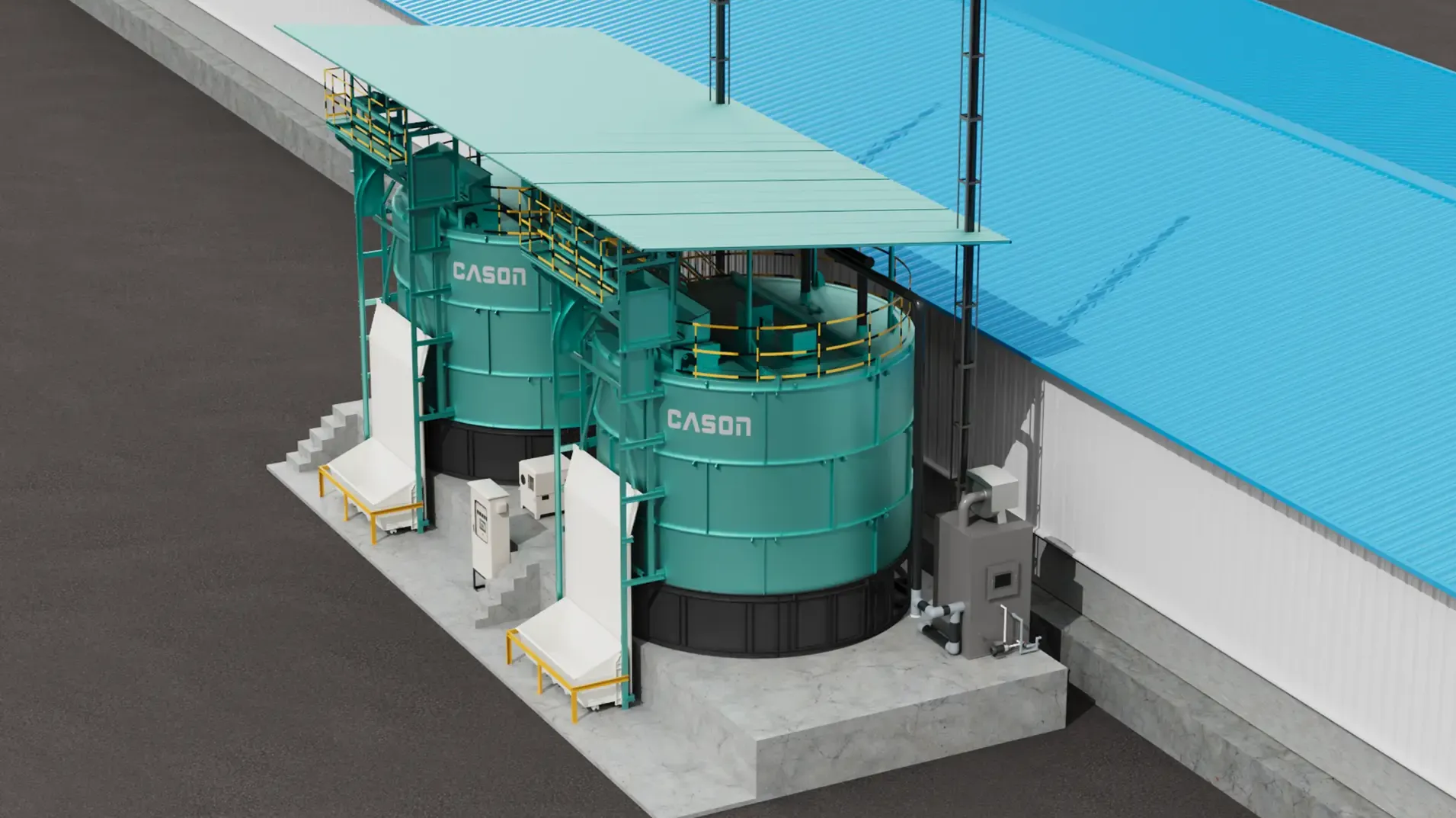
The technology embedded in Cason’s animal waste fermentation equipment includes several advanced components. The feeding system introduces manure into the tank, while the mixing system ensures thorough interaction of the materials. Heat from the process is captured and reused thanks to a high-efficiency heat exchange system, which minimizes energy loss and maintains consistent temperature levels within the aerobic manure fermentation tank. Automated controls regulate feeding schedules, temperature, and discharge, ensuring that the process runs smoothly without constant manual intervention.
Energy Efficiency: A Key Advantage
One of the standout features of Cason’s systems is their remarkable 40% energy-saving capability. Unlike conventional systems that waste energy, Cason’s technology focuses on heat recovery, minimizing heat loss and ensuring that every bit of energy is optimized. By utilizing a high-efficiency heat exchange system, incoming air is preheated using the heat generated from fermentation, which significantly reduces the amount of energy needed to maintain the ideal temperature for fermentation. This automated system not only boosts performance but also lowers operational costs over time.
Environmental Impact and Sustainability
The adoption of Cason’s aerobic manure fermentation tank goes beyond just operational efficiency. By converting animal waste into compost, the equipment helps reduce the environmental footprint of large-scale livestock operations. The waste management process is highly sustainable and contributes to the reduction of harmful greenhouse gases. Furthermore, with the integration of the dust removal and deodorization systems, Cason’s equipment ensures that the process remains odor-free, providing a healthier and more pleasant environment for both workers and nearby communities.
Why Choose Cason for Animal Waste Fermentation?
In a world where sustainable practices are increasingly important, Cason’s commitment to creating high-performing, energy-efficient equipment is evident. The design of our animal waste fermentation equipment is centered around intelligent automation, ensuring consistent operation while also making a positive impact on the environment. With our aerobic manure fermentation tank, businesses can manage manure effectively, save on energy costs, and contribute to a more sustainable future.