
At Cason, we recognize the growing demand among agricultural businesses for composting processes that reduce emissions and control odors without sacrificing operational efficiency. In-vessel composting has emerged as a robust solution for farms and centralized waste facilities alike. This method keeps organic waste in a controlled, enclosed environment where biological decomposition happens faster and with minimized environmental impact. Because in-vessel composting significantly improves conditions for microbes to break down material, farms can convert manure and other organic residues into valuable soil amendments while reducing emissions that contribute to carbon footprints.
What In-Vessel Composting Means for Modern Farming
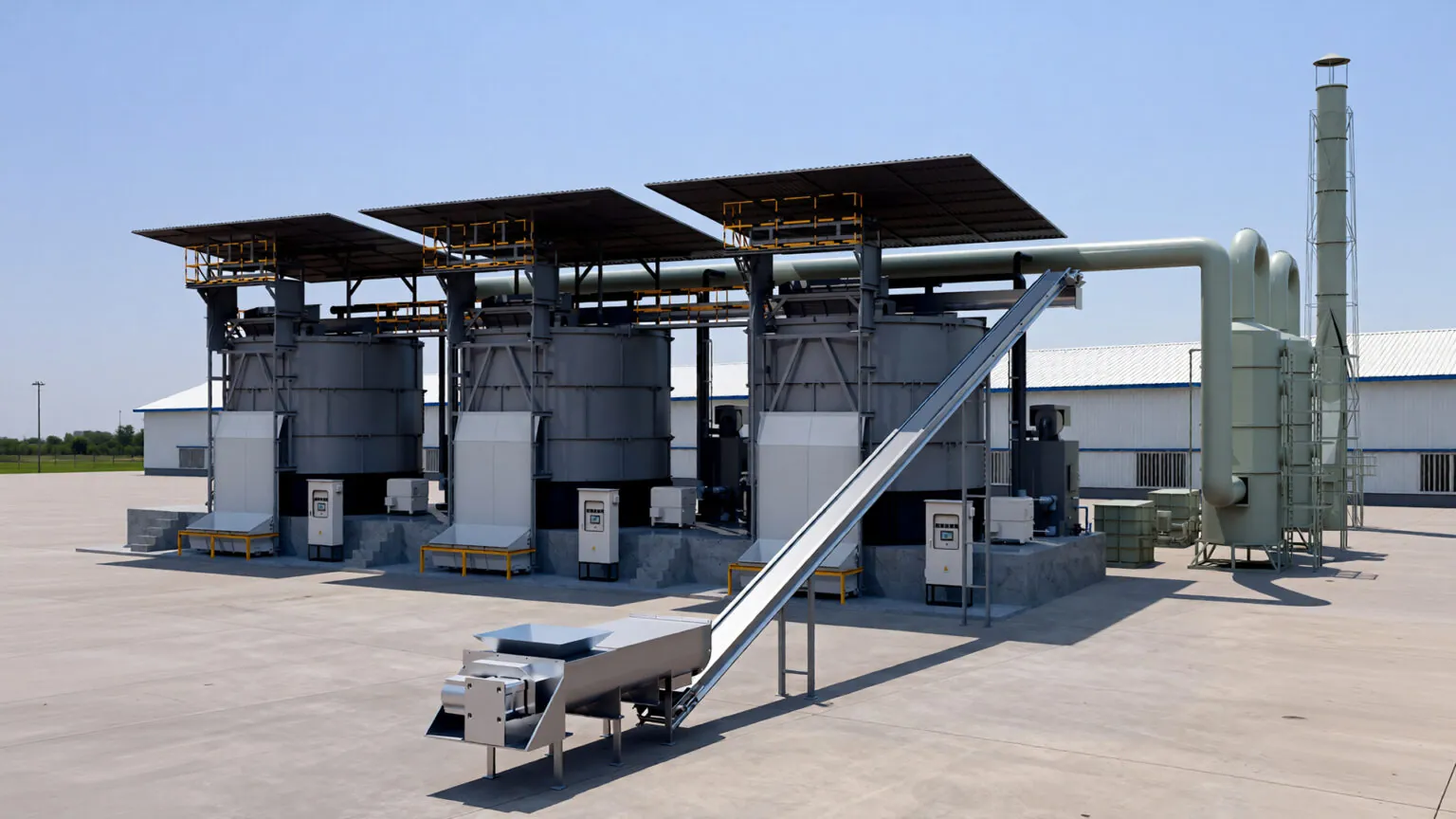
In-vessel composting refers to systems where organic waste is processed inside sealed tanks or vessels. Compared with open windrow or pile methods, these systems allow precise management of temperature, moisture, and airflow throughout the composting cycle. This ensures more consistent and reliable decomposition and helps keep odors contained within the system. By reducing the release of greenhouse gases and noxious smells, in-vessel composting aligns with environmental regulations and community expectations.
For businesses focused on sustainability and operational responsibility, in-vessel systems represent more than compost production; they offer a path toward zero-emission farming. Controlled composting environments limit emissions such as volatile organic compounds (VOCs) and ammonia that can negatively impact air quality, and they support waste diversion strategies that reduce reliance on landfilling or open-air handling.
Integrating Centralized Deodorization into Composting
A key component of effective in-vessel composting is odor management. At Cason, our in-vessel composting systems are designed to incorporate centralized deodorization systems that collect and treat exhaust gases from multiple composting units in a unified setup. This approach helps farms manage dispersed pollution sources by consolidating odor control and filtration mechanisms, leading to cleaner air and more compliant operations.
Centralized deodorization not only improves ambient air quality but also enhances operational hygiene across the facility. In enclosed systems, odors and harmful gases can be directed through biofilters, scrubbing stages, or other purification technologies before being released. This makes composting operations suitable even in sensitive locations near residential or commercial zones.
Driving Sustainable Farm Practices
At Cason, we understand that modern farming must balance productivity, regulatory compliance, and environmental stewardship. By integrating in-vessel composting into waste management strategies, agricultural businesses can transform organic residues into nutrient-rich soil amendments that support crop growth, reduce the need for synthetic fertilizers, and close nutrient loops on the farm. Coupled with centralized deodorization, these systems help mitigate emissions and support healthier ecosystems.
Embracing in-vessel composting systems positions your operation to reduce environmental impact while enhancing process control and resource recovery across the farm. We’re committed to helping our partners adopt solutions that align with sustainability goals and regulatory expectations, turning waste management into a strategic asset for zero-emission farming.