
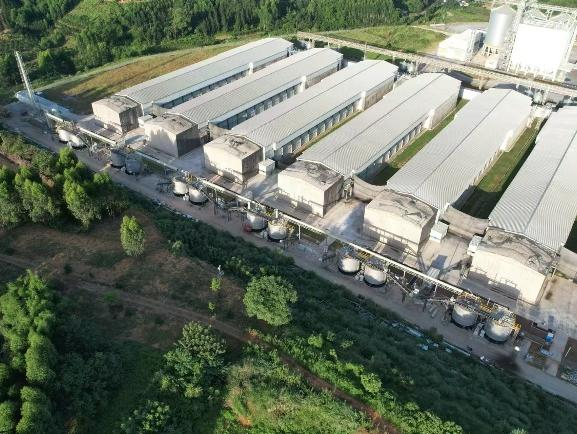
Extended English Introduction of CP Group Meishan Manure Treatment System
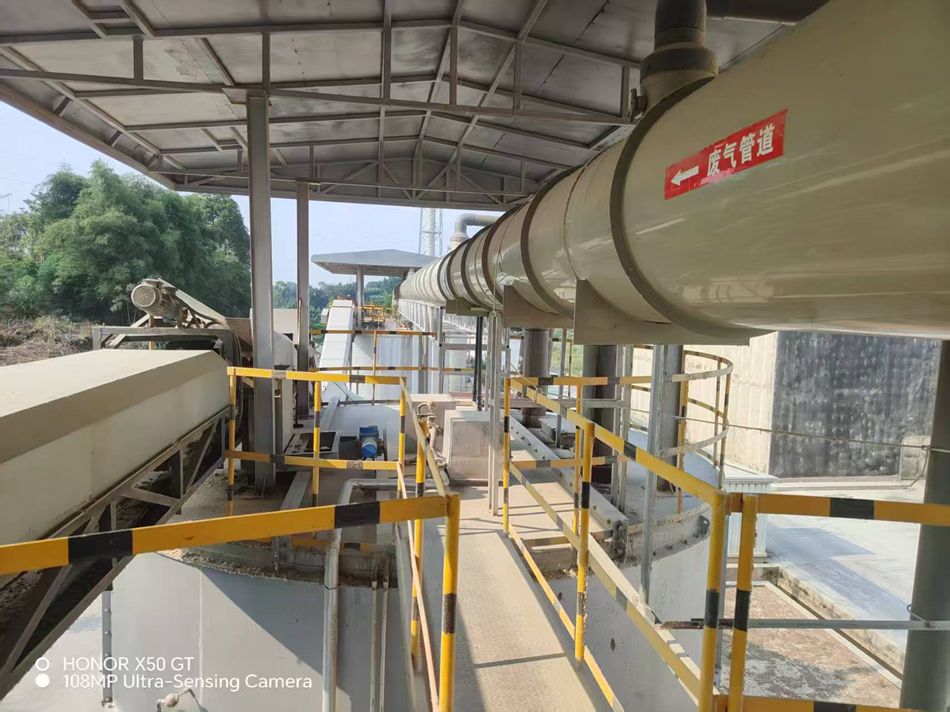
Sichuan Meishan CP Group’s 3-million-hen egg production farm has built a standardized, fully enclosed and intelligent manure management system, marking a groundbreaking breakthrough in domestic livestock and poultry waste treatment. As the first domestic breeding project that applies a full-set centralized pipeline manure transmission system, this innovative model completely subverts the traditional manual transfer and open stacking manure treatment methods that have long plagued large-scale poultry farms. Relying on advanced automated collection and closed conveying technology, the farm realizes standardized and whole-process sealed disposal of poultry manure, effectively solving the pain points of odor diffusion, secondary pollution, low treatment efficiency and high labor costs in conventional manure treatment processes.
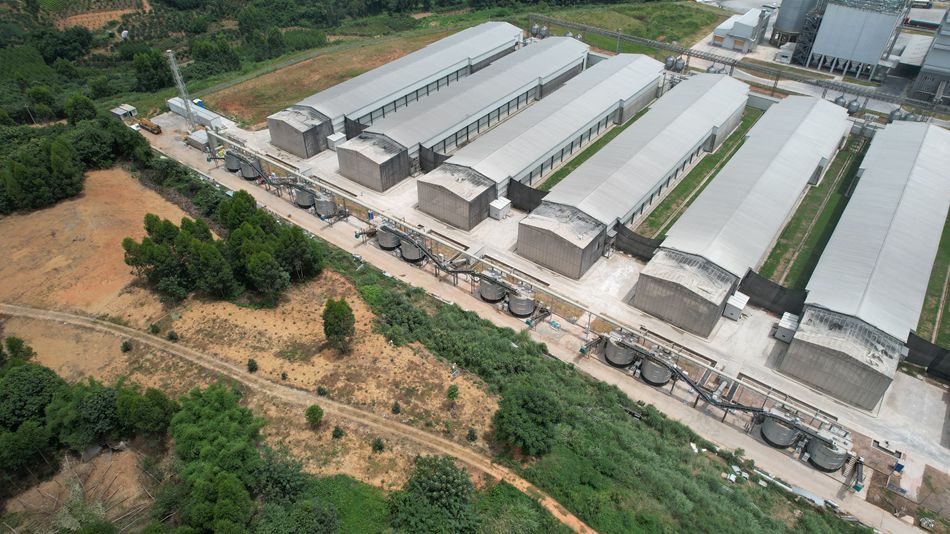
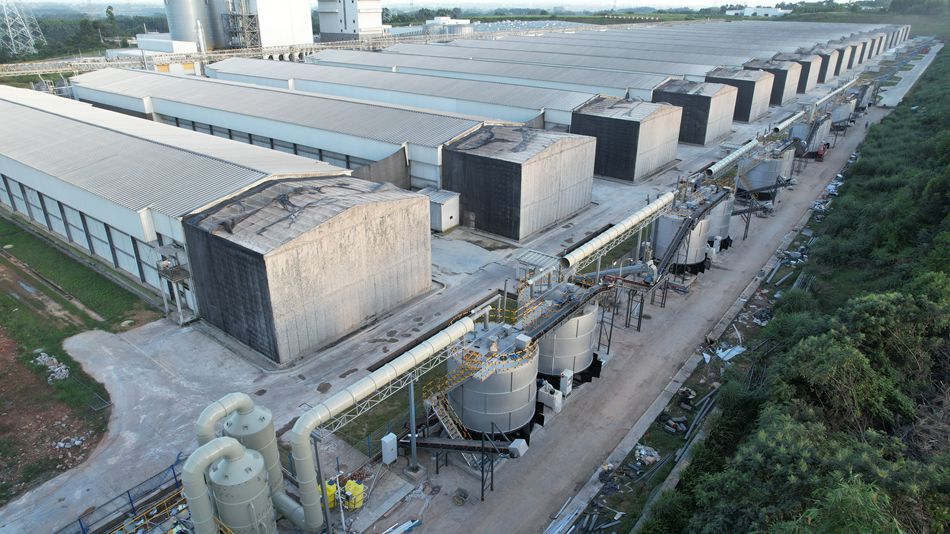
Different from traditional bulky and site-restricted manure treatment equipment, the project adopts an exclusive CASON dual-wing integrated manure processing system with highly flexible and adaptable fermentation tank layout. All fermentation equipment independently developed and manufactured by CASON can be freely arranged and combined according to the actual site conditions, terrain features and original functional zoning of the farm. This tailored layout design perfectly matches the existing overall layout of the 3-million-hen breeding base. It completely eliminates the need for large-scale infrastructure reconstruction, ground excavation and pipeline reformation, and does not interfere with or modify the original standardized breeding layout, daily production procedures and feeding management system at all. With the core advantages of low capital investment, minimal site transformation, zero production interruption and ultra-fast on-site implementation, the CASON professional manure treatment system provides a highly feasible upgrading path for modern breeding enterprises.
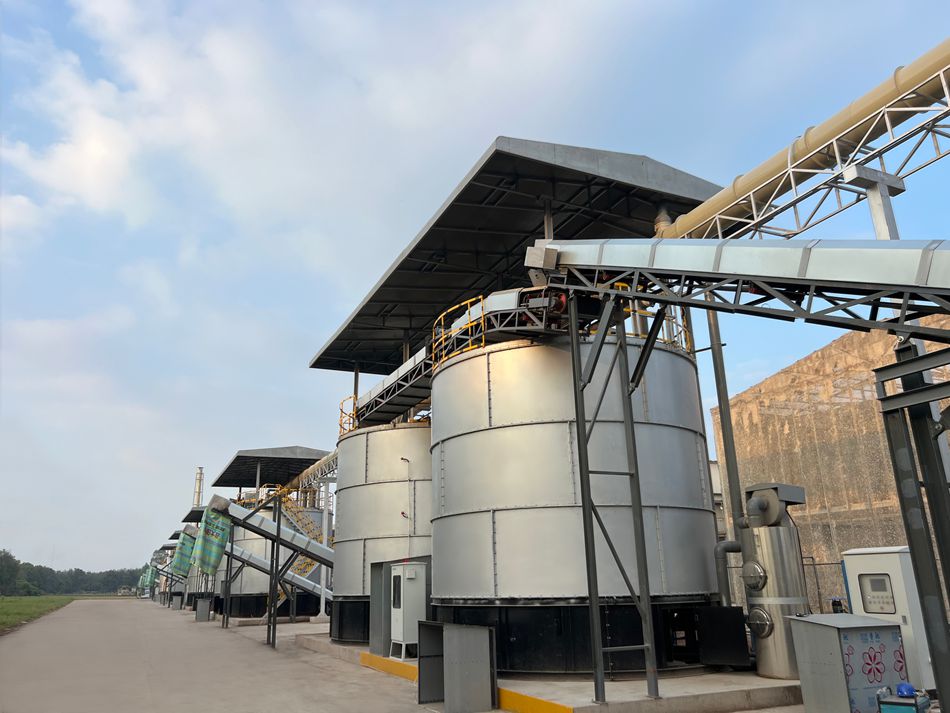
In terms of technological processing, the system realizes full-chain intelligent and harmless treatment of poultry waste. Manure generated during the breeding process is centrally collected from the tail end of each henhouse and stably transported to sealed high-temperature fermentation tanks through fully enclosed automatic pipelines. After entering the equipment, the poultry waste undergoes continuous and efficient high-temperature rapid aerobic fermentation. Through precise control of temperature, oxygen content and fermentation cycle, harmful bacteria, parasite eggs and residual pathogens in the manure are thoroughly inactivated, and organic components are fully decomposed and transformed to form high-quality organic fertilizer intermediates that meet national agricultural standards. The whole treatment process operates in a fully enclosed environment, with no material leakage, no odor overflow and no external pollution, strictly complying with national environmental protection emission standards and modern green breeding requirements.
In terms of practical application and industrial value, this systematic manure treatment solution perfectly balances practical operability, economic cost performance and environmental protection benefits. It helps large-scale breeding enterprises efficiently complete the upgrading and iteration of manure treatment systems at low cost, realizing on-site reduction, harmless disposal and resource recycling of breeding waste. The waste materials are turned into valuable organic fertilizer raw materials, which can be widely used in ecological planting, green agriculture and soil improvement, forming a complete closed-loop industrial chain of “breeding waste-resource regeneration-agricultural application”. As a mature, replicable and promotable circular agriculture model, this system is especially suitable for the renovation and upgrading of various old-scale poultry and livestock farms. It effectively solves the transformation difficulties of limited site space, high reconstruction cost and difficult production shutdown transformation in old farms, and sets a typical industry benchmark for sustainable, green and low-carbon development of modern livestock farming.